
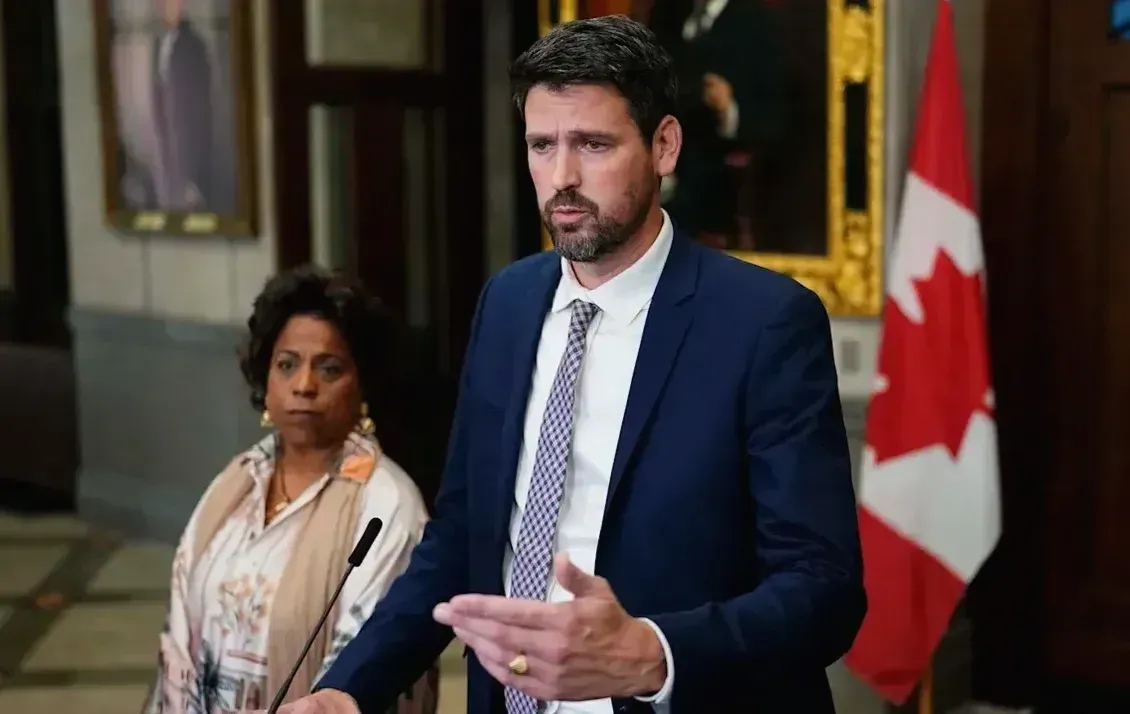
The Canadian government has announced that it will not extend its assisted suicide laws to include individuals whose sole medical condition is a mental illness. This decision comes after several delays to a previously planned expansion of the program, effectively blocking a path toward legalized euthanasia for psychiatric patients that would have otherwise opened this March. Justice Minister Sean Fraser confirmed the move on Wednesday, stating that while there is no total consensus on the matter, the administration believes prohibiting this specific expansion is the correct course of action.
This policy shift follows strong warnings from an advisory panel that expressed deep concern over the state of Canada’s healthcare infrastructure. Experts argued that since many community mental health systems are already overwhelmed, vulnerable patients might opt for death simply because they cannot access necessary treatment or adequate care. There is also a significant divide among medical professionals regarding whether any mental health condition can truly be labeled as incurable, making the criteria for approval dangerously vague.
Since Ontario first legalized assisted dying in 2016 and expanded those rights nationwide in 2021, Canada has grappled with where to draw the line between terminal physical illness and psychological suffering. While public support for assisted dying remains generally high across the country, these latest restrictions reflect a growing caution within the medical community. Some doctors have called for a comprehensive review of current protocols to ensure that patient approvals are handled with extreme rigor and ethical oversight.