
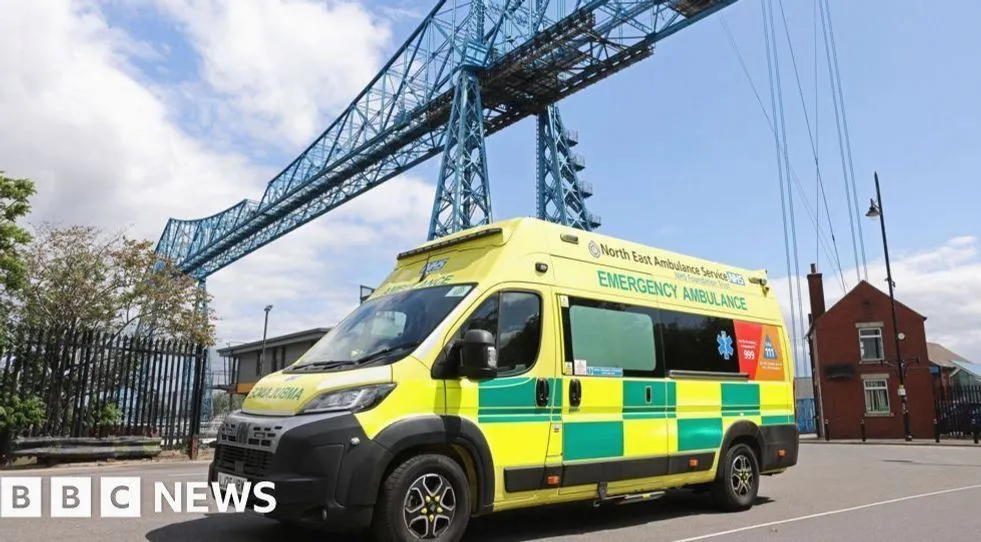
The North East Ambulance Service is warning that responding to mental health emergencies will become its most rapidly expanding challenge over the coming decade. In a series of strategic documents outlining future healthcare demands, the trust highlighted a shifting landscape where psychiatric crises are expected to outpace other clinical needs. This surge comes alongside broader demographic pressures, including an aging population and a rise in chronic long term illnesses among residents across the region.
Staff members have reported that they are frequently dispatched to mental health incidents without enough specialized support or the necessary resources to manage these complex situations effectively. While the service acknowledges that it cannot tackle this systemic issue alone, officials have pledged to introduce enhanced training and better access to specialist input for frontline crews. The goal is to shift away from automatic hospital transport by providing more robust assessments and clinical advice during the initial point of contact.
Beyond patient care, the trust admitted that doing more of the same is no longer a viable option for a service covering 2.7 million people. Leadership has vowed to focus on getting the basics right, which includes upgrading outdated digital systems, improving vehicle fleets, and refining workplace environments. These internal improvements are seen as essential for supporting a workforce that handled nearly 1.5 million emergency calls over the past year alone.
Despite these ambitions, critics note that the strategy remains broad, lacking specific timelines or detailed requests for additional funding. As respiratory diseases and cardiac events remain primary drivers of call volume, the looming shadow of a mental health spike suggests a precarious road ahead for those managing 999 and 111 services in the North East and Cumbria.