
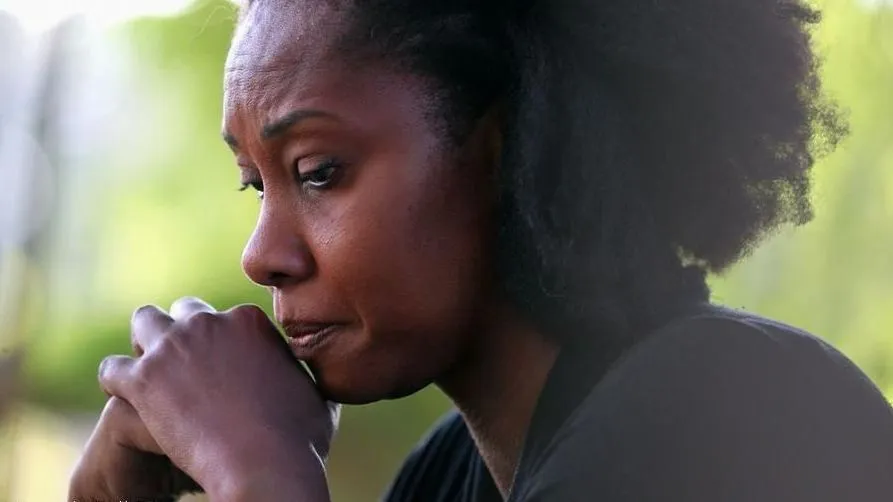
Across Kenya, the struggle with mental health is an increasingly common reality, yet the path to professional treatment remains blocked for far too many. To address this critical gap in care, a local initiative called Mental Health 360 has launched the Rafiki program. Named after the Swahili word for friend, the project focuses on a simple but powerful truth: when someone is spiraling, they rarely go to a clinic first; instead, they turn to those closest to them. By training trusted peers in basic support and navigation, the program turns everyday friendships into vital lifelines.
The framework of the Rafiki program relies on a steady cycle of specialized training, consistent supervision, and expert guidance. This ensures that volunteers aren’t just offering well wishes, but are equipped to recognize warning signs and steer their peers toward clinical professionals when necessary. For many involved, this mission is born from survival. Isma’il Abdul Karim joined the program after navigating his own dark chapter marked by suicidal thoughts. Now, he transforms his past trauma into a tool for empathy, helping others find their way back from the edge.
For people like Janet Agisa, these trained ears provide more than just advice; they provide belonging. As a young mother grappling with crushing financial stress and emotional exhaustion, Janet found solace in a peer-support group where her struggles were mirrored and validated by others. In an environment often defined by stigma and silence, having a companion who truly understands can be the catalyst for recovery. For many young Kenyans, healing doesn’t start with a prescription or a therapy session, but with a single honest conversation with a friend who knows exactly how to help them take the next step.